
LiftMaster Gate Opener Not Working? Full Troubleshooting Guide
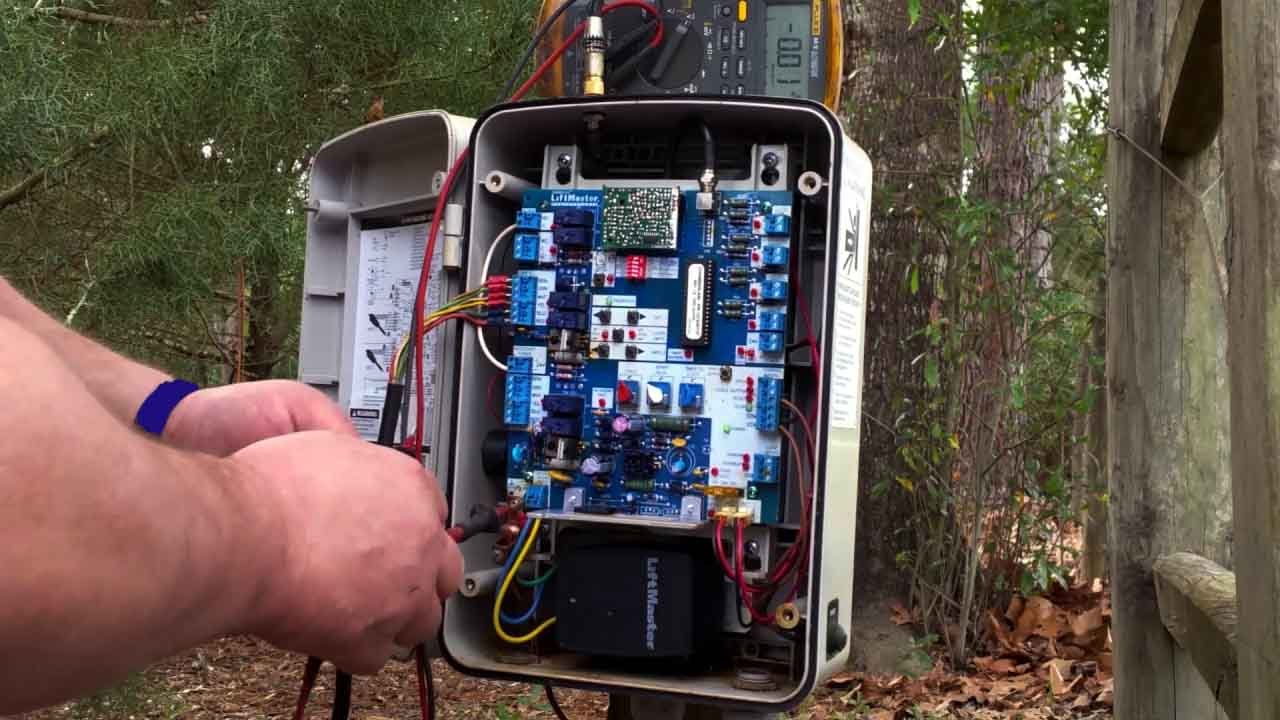

You press the remote and nothing happens, or the gate moves, then stops, then beeps. If you’re dealing with a LiftMaster Gate Opener Not Working, a few checks can tell you whether the problem is something simple, such as a dead remote battery or a blocked sensor, or something that needs a technician, such as a control board fault or failed motor.
Your gate isn’t just a convenience. For most homes and businesses, it’s the first line of physical security on the property. A LiftMaster opener relies on electrical and mechanical parts working together. A weak battery, misaligned sensor, or damaged wire can each stop the whole system on its own. Houston’s heat and humidity add extra wear on batteries and control boards, which is why gate failures here tend to cluster during the peak of summer.
The right approach is to identify the actual cause before assuming you need a replacement, most failures come down to one component, not the whole unit. That’s where Houston Gate Repair comes in when troubleshooting on your own doesn’t resolve it.
Common Reasons Your LiftMaster Gate Opener Isn’t Working
A gate opener rarely fails without warning, slow movement, unusual sounds, or inconsistent behavior are usually the first sign something’s wrong.
Electrical faults are the most common cause of a completely unresponsive gate. A tripped breaker, a blown fuse, or a backup battery that’s dropped below its working voltage under load are the usual suspects, a battery can test fine at rest and still fail the moment the motor needs full power.
Mechanical wear shows up as a gate that struggles rather than one that’s silent, grinding gears, a dragging gate that’s shifted off its track, or hinges that have loosened enough to throw the gate out of alignment and force the motor to overwork.
Sensor issues are often the simplest fix and the easiest to misdiagnose, a dirty or misaligned photo-eye sensor will stop a gate from closing even though nothing else is wrong. A flashing red light on the opener usually points directly at a sensor problem.
Environmental wear in Houston specifically means heat breaking down lubrication and stressing backup batteries faster than milder climates, and humidity contributing to corrosion on exposed contacts and wiring over time.
What Your Error Code Is Telling You
LiftMaster openers use light and beep patterns to flag specific faults rather than failing silently. Two of the most common we see in Houston:
Code 93, typically a stall or obstruction-related fault, often triggered by a gate that’s dragging or a post that’s shifted, rather than the opener itself failing.
F1, points to a safety sensor or obstruction issue; check photo-eye alignment and cleanliness before assuming a bigger problem.
Not sure what your gate is telling you? Tell us the light pattern or beep sequence when you call, and we can often narrow down the cause before we arrive.
Quick Checks Before Calling a Technician
A few basic checks can solve the problem without a service call.
Check the power supply first. Plug another device into the same outlet to confirm electricity is available, and inspect the power cord for visible damage.
Test the remote. Replace the batteries and check for a response. If you have a backup remote, try that too, a single dead remote is easy to mistake for a bigger problem.
Inspect the sensors. Wipe the lenses clean with a dry cloth and confirm they’re facing each other correctly, even a slight misalignment will stop the gate from closing. Most units show an indicator light confirming proper alignment.
Try manual operation. Engage the manual override and move the gate by hand. Smooth movement points to a motor or electrical issue; resistance points to something mechanical.
If none of these resolve it, our gate opener repair services team can diagnose it properly rather than guessing further.
Electrical Problems That Stop Gate Operation
A completely unresponsive gate is almost always electrical.
Power supply issues are the simplest to rule out, a tripped breaker or faulty outlet can cut power instantly, so check the circuit before assuming internal damage.
Control board failure causes unpredictable behavior, a gate opening randomly or stopping mid-cycle often points to burnt components or loose internal connections, which needs a professional diagnosis rather than a DIY fix.
Backup batteries degrade gradually. A weak battery may allow partial movement but fail as soon as the motor needs full power, this is worth checking even if the gate seems to “mostly” work.
Wiring damage is often hidden. Visible fraying or loose connections are worth inspecting yourself, but anything inside the control box should be left to a technician.
Electrical faults like these are exactly what our electric gate repair team handles, ignoring them typically leads to a full system shutdown rather than resolving on its own.
Mechanical Failures and Their Impact on Performance
Mechanical components handle the physical movement, any wear here shows up directly in how the gate behaves.
Gate alignment matters more than most people expect. A misaligned gate creates friction that forces the motor to work harder every cycle, and that added strain compounds over time.
Gear wear develops gradually with regular use. A damaged gear typically produces a grinding noise well before it fails completely, worth addressing as soon as you notice it.
Track obstructions, dirt, debris, or rust buildup, can slow or stop gate movement and are one of the easiest issues to prevent with regular cleaning.
Hinge problems create imbalance. Loose or damaged hinges cause the gate to move unevenly or stop partway through its cycle.
Our gate repair services team handles proper realignment and component replacement, catching these early is significantly cheaper than waiting for a full failure.
Sensor Issues That Cause Sudden Malfunction
Safety sensors exist to prevent accidents by detecting obstacles, but sensor problems are also one of the most common reasons a perfectly healthy gate won’t close.
Dirty lenses reduce sensor accuracy. Dust and moisture buildup are enough to block the signal entirely, so regular cleaning matters more than people expect.
Misalignment breaks communication between the two sensor units, even a small shift is enough to stop the gate from recognizing a clear path.
Wiring faults at the sensor connection reduce reliability and are harder to diagnose without opening the unit.
Interference from nearby wireless devices can occasionally disrupt sensor communication, though this is less common than the issues above.
Persistent sensor problems are covered under our automatic gate repair services, which include proper recalibration rather than a temporary workaround.
Remote Control and Programming Problems
A gate that “won’t work” is often actually a remote problem, not a gate problem.
Dead batteries are the simplest and most common cause, worth checking first, every time.
Programming errors can disconnect a remote entirely. Reprogramming through the Learn button usually resolves this, provided the pairing steps are followed correctly.
Signal interference from nearby electronics can occasionally block communication between the remote and receiver.
Receiver faults are less common but require a professional diagnosis, if reprogramming doesn’t help, the issue is likely in the receiver itself, not the remote.
Our LiftMaster gate repair team handles both programming and receiver-level diagnostics.
Weather and Environmental Effects on Your Gate
Houston’s climate plays a bigger role in gate reliability than most owners realize.
Heat thins out lubrication and causes materials to expand, adding friction to moving parts, this is a major reason gate issues spike during the hottest months.
Humidity and rain accelerate corrosion on electrical components and metal hardware, particularly on units without proper sealing.
Dust affects both sensors and tracks, and is one of the easiest issues to prevent with regular cleaning.
Year-round maintenance is the most effective way to prevent weather-related failures before they start.
When You Need Professional Help
Some problems go beyond basic troubleshooting, and knowing when to stop and call for service saves both time and money.
Persistent electrical issues, a control board fault isn’t something to fix without the right tools and diagnostic equipment.
Unusual motor sounds, grinding, humming without movement, or inconsistent speed usually indicate internal damage that gets worse the longer it’s ignored. Our gate opener repair team can diagnose this properly.
Structural issues, misalignment or damaged tracks need precise adjustment; incorrect handling can make the problem worse.
Commercial systems, larger, higher-cycle gates at businesses or HOA properties often need specialized diagnostics; see our commercial gate repair services.
Maintenance Tips to Prevent Future Problems
A regular maintenance schedule catches small issues before they become expensive ones.
Lubrication reduces wear on moving parts, apply an appropriate lubricant periodically, not just when something starts making noise.
Sensor cleaning ensures accurate detection and prevents false stops caused by dust buildup.
Electrical inspection catches loose connections before they cause a full failure.
Battery checks confirm your backup system will actually work when you need it.
Our gate maintenance service covers a full system inspection on a schedule, rather than waiting for something to break.
Final Thoughts
A gate opener that suddenly stops working can disrupt your daily routine and leave your property less secure. Most issues fall into a few common categories, electrical, mechanical, sensor, or environmental, and many are fixable without a service call. Persistent problems are worth having looked at before they get worse, both for your convenience and your property’s security.
Houston Gate Repair provides diagnosis and repair for both residential and commercial LiftMaster systems, with the goal of getting it right the first time rather than guessing at parts.
FAQs
- Why does my LiftMaster gate opener stop working suddenly?
Power issues, sensor misalignment, or a remote/receiver problem are the most common causes. A quick inspection of each usually identifies which one it is. - How often should I service my gate opener?
Every six months for most residential systems, though high-cycle commercial and HOA gates benefit from more frequent checks. - Can I fix my gate opener myself?
Basic checks, power, remote batteries, sensor cleaning, are safe to do yourself. Anything involving the control board or internal wiring should go to a professional. - How long does a LiftMaster gate opener typically last?
A well-maintained system commonly lasts 10–15 years. Regular maintenance is the biggest factor in reaching that lifespan. - When should I replace my gate opener instead of repairing it?
Frequent breakdowns or repair costs approaching the price of a new unit are the usual signals, we’ll always give you a straight answer on which makes more financial sense for your situation.