

Houston Gate Repair | Emergency Gate Repair & Installation Company
Sliding Gate Repair Services in Houston, TX
Houston Gate Repair Offers
Sliding Gate Repair in Houston, Texas
Houston Gate Repair is your trusted source for expert sliding gate repair services throughout Houston, Texas. Our experienced technicians specialize in diagnosing and repairing all types of sliding gate systems, from cantilever gates to track-mounted installations. Whether you need emergency Sliding Gate Repair Services in Houston, TX, or comprehensive system restoration, we deliver reliable solutions that restore your gate's smooth operation and security.
- Same-Day Repairs & Installations
- 24/7 Emergency Service
- Trusted Local Experts
Call Now & Get Free Estimate
licensed & Insured Sliding Gate Repair Services
Expert Technicians
Skilled professionals ensuring precise gate repairs and installations.
100% Satisfaction
Your satisfaction is our priority—quality service, every time.
On-Time Services
We value your time with punctual and efficient gate repair services.
Online Booking
Schedule your gate repair or installation online in just a few clicks.
High-Quality Parts
We use durable, top-grade materials for long-lasting results.
Honest Pricing
No hidden fees—just honest, upfront pricing for every service.
Our Special Offer

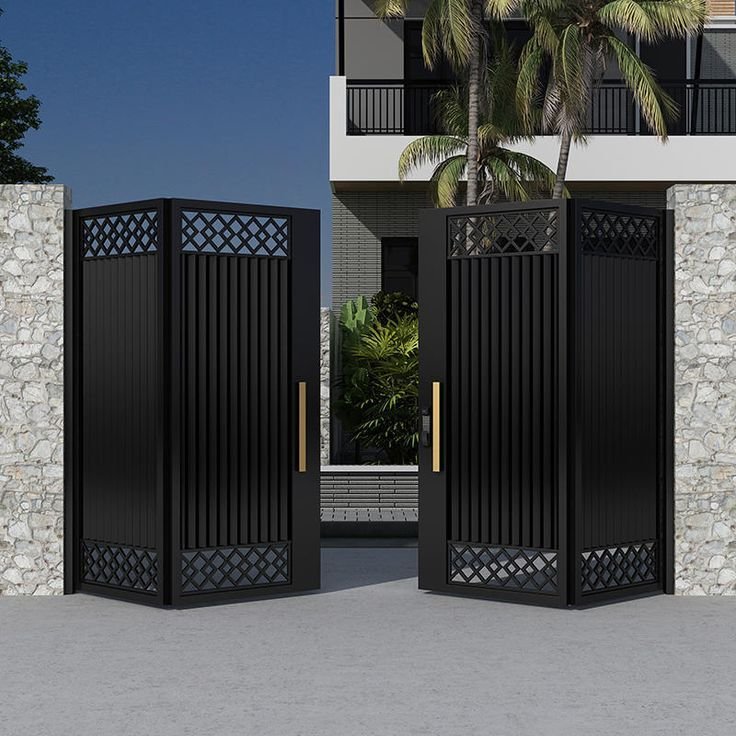
Your Trusted Sliding Gate Repair Company in Houston, TX
At Houston Gate Repair, we know that a broken sliding gate is more than an inconvenience — it is a security risk you cannot afford to ignore. A gate that will not close properly leaves your property, vehicles, and family exposed. One that will not open traps you on your own property. Either way, it needs to be fixed fast by someone who knows exactly what they are doing.
That is precisely what we deliver. Our team of fully licensed and insured gate technicians brings hands-on experience with all styles and brands of sliding gate systems — from lightweight residential driveway gates to heavy-duty commercial sliding barriers. We serve all of Houston, TX, and the surrounding communities, offering same-day appointments and around-the-clock emergency response for situations that simply cannot wait.
When you choose Houston Gate Repair, you are choosing a locally owned company that puts your satisfaction and security above everything else.

Customized Gate Services in Houston for Every Need
Our services include gate repair, replacement, installation, and maintenance tailored to meet your specific needs. From residential driveways to commercial properties, we handle all types of gates, ensuring smooth operation, enhanced security, and reliable performance every time.
Sliding Gate Maintenance in Houston, TX
Houston’s climate is notoriously tough on sliding gate systems. The combination of intense summer heat, persistent humidity, heavy seasonal rainfall, and the occasional tropical storm creates conditions where rollers wear faster, tracks accumulate rust and debris, and electrical components face constant moisture exposure.
Houston Gate Repair offers a professional maintenance program specifically designed for Houston’s environment. Each service visit covers full inspection of tracks, rollers, and hardware, thorough cleaning of the track channel, lubrication of all moving components, motor and control board testing, safety sensor calibration, rust treatment and protective coating, and remote and keypad verification.
Scheduling annual or biannual maintenance with Houston Gate Repair is the most effective way to prevent unexpected breakdowns, extend the life of your sliding gate system, and keep repair costs low over the long term.
Most Asked Questions
Frequently Asked Questions
1
Why is my sliding gate not opening or closing? The most common causes are a loss of power to the opener, a tripped breaker, a failed gate motor, a blocked safety sensor, or debris lodged in the track preventing movement. Call Houston Gate Repair for a fast on-site diagnosis and same-day repair across Houston.
2
How long does sliding gate repair typically take? Most sliding gate repairs are completed within one to three hours. Our technicians carry the most commonly needed parts on every service vehicle, allowing us to resolve the majority of faults in a single visit.
3
Can you fix a sliding gate that has come off its track? Absolutely. A gate that has jumped its track is one of the most common calls we receive. Our technicians will re-seat the gate, inspect and repair any track or roller damage that caused the derailment, and ensure it is properly aligned before leaving.
4
Do you service commercial sliding gates in Houston? Yes. Houston Gate Repair services commercial sliding gates for warehouses, apartment complexes, business facilities, industrial properties, and HOA communities throughout Houston, TX. We understand the higher demands of commercial systems and respond with the speed and professionalism your operation requires.
5
How often should a sliding gate be professionally serviced? We recommend at least one professional maintenance visit per year for residential sliding gates and twice yearly for high-traffic commercial systems. Houston's demanding climate makes regular servicing especially important for preventing premature wear and costly emergency repairs.
Reach Out To Us
We're here to provide 24x7 Services
Get Free Quote
Schedule your free, comprehensive gate repair estimate today. Our technicians will assess your needs, recommend the right solutions, and provide transparent pricing with no hidden fees
Comprehensive Sliding Gate Repair Services
Expert Sliding Gate System Restoration
Our skilled technicians provide complete sliding gate repair services in Houston, Texas, addressing all common issues that affect gate performance. We understand the unique challenges of sliding gate systems and use proven repair techniques to restore proper operation and extend system life.
Common Sliding Gate Problems We Repair:
- Gate stuck in open or closed position
- Jerky or slow gate movement
- Excessive noise during operation
- Gate alignment and tracking issues
- Damaged or worn guide wheels
- Bent or damaged gate tracks
- Motor overheating and failure
- Chain and belt drive problems
- Electrical system malfunctions
- Remote control connectivity issues
Our comprehensive approach to sliding gate repair in Houston, Texas, includes thorough system evaluation to identify underlying causes of gate problems. We don’t just fix symptoms – we address root causes to prevent recurring issues and ensure long-term reliability.
Emergency Sliding Gate Repair Available
Gate malfunctions can leave your property vulnerable and create significant inconvenience. Our emergency sliding gate repair in Houston, Texas, provides rapid response to restore your gate’s function quickly. We maintain fully stocked service vehicles to handle most repairs on the first visit.
Same-Day Service Benefits:
- Immediate security restoration
- Minimal disruption to daily operations
- On-site diagnosis and repair
- Quality parts and materials
- Complete testing and adjustment
Sliding Gate Motor and Drive System Repair
Advanced Motor and Operator Solutions
Sliding gates require powerful, reliable motors and drive systems to handle heavy gate panels and frequent operation. Houston Gate Repair specializes in sliding gate motor repair and replacement services throughout Houston, Texas, working with all major manufacturers and drive system types.
Motor and Drive System Services:
- AC and DC motor repair and replacement
- Gear reducer service and rebuilding
- Chain drive repair and adjustment
- Belt drive system restoration
- Control board programming and repair
- Variable frequency drive service
- Encoder and feedback system repair
- Brake system adjustment and replacement
Sliding Gate Control System Repair
Modern sliding gates rely on sophisticated control systems that manage gate operation, safety features, and access control integration. Our technicians are trained on the latest control technologies and provide expert sliding gate repair in Houston, Texas, for all system components.
Control System Services:
- Logic controller programming
- Safety circuit testing and repair
- Photo eye sensor alignment
- Obstruction detection system service
- Emergency stop system testing
- Manual override mechanism repair
- Access control integration
- Remote monitoring system setup
Preventive Maintenance Programs
Regular maintenance is crucial for sliding gate systems due to their complex mechanical and electrical components. Our maintenance programs include lubrication, adjustments, safety testing, and component inspections that prevent costly repairs and extend system life.
Maintenance Services Include:
- Monthly system inspections
- Track cleaning and alignment
- Motor and gearbox lubrication
- Safety system testing
- Electrical connection inspection
- Performance optimization
Section 3: Sliding Gate Track and Hardware Repair
Professional Track System Restoration
The track system is critical to proper sliding gate operation, and problems with tracks, wheels, or guides can cause significant operational issues. Houston Gate Repair provides comprehensive track system repair and hardware services for all types of sliding gates throughout Houston, Texas.
Track System Repair Services:
- Track alignment and leveling
- Damaged track section replacement
- Track cleaning and debris removal
- Foundation repair and reinforcement
- Drainage system installation
- Track extension and modification
- Wheel and roller replacement
- Guide system adjustment
Sliding Gate Hardware Restoration
Sliding gates depend on robust hardware components that must withstand constant use and weather exposure. Our skilled technicians provide complete hardware repair and replacement services to restore your gate’s reliability and smooth operation.
Hardware Repair Services:
- Gate wheel and bearing replacement
- Chain and sprocket service
- Cable and pulley system repair
- Gate stop and catch mechanism repair
- Latch and lock system service
- Weather seal replacement
- Hardware lubrication and maintenance
- Custom fabrication of replacement parts
Structural Repair and Welding Services
Our certified welders and fabricators handle complex structural repairs for damaged sliding gates. Whether caused by accidents, weather, or normal wear, we provide professional sliding gate repair in Houston, Texas, that restores structural integrity and appearance.
Structural Services Include:
- Gate frame welding and reinforcement
- Panel replacement and repair
- Post and anchor repair
- Cantilever arm restoration
- Decorative element repair
- Powder coating and finishing
Quality Materials and Workmanship
We use only high-quality materials designed for Houston’s challenging climate conditions. Our sliding gate repair services in Houston, Texas, include comprehensive warranties on parts and labor.